Layers That Keep Base Materials Separated
Geotextiles in Shreveport for roadways, drainage systems, and erosion control projects where soil stability depends on preventing layer contamination
Aggregate base loses its load-bearing capacity when fine-grained subgrade soil migrates upward and fills the voids between stones, a process accelerated by traffic loads and water movement. Geotextiles placed at the interface between subgrade and base materials create a filtration barrier that allows water to pass while blocking soil particles from contaminating the stone layer above. Southern Geo Supply offers geotextiles in multiple specifications designed for filtration, separation, and reinforcement applications across construction projects where long-term soil performance matters more than initial installation cost.
These fabrics work by maintaining a distinct boundary between dissimilar soils or between soil and aggregate, preventing the intermixing that leads to settlement, rutting, and structural failure. The fabric's pore size and permeability are matched to the soil gradation and expected flow conditions so water drains through without carrying fines that would eventually clog the geotextile itself.
Schedule a consultation to determine which geotextile specification matches your project's soil type and drainage requirements.
What Changes After Geotextile Installation
The fabric is rolled out over prepared subgrade, overlapped at seams per the manufacturer's guidelines, and immediately covered with base material to protect it from UV exposure and anchor it in place. Installation requires smooth subgrade without protruding rocks or roots that could puncture the fabric, and placement timing coordinated so the geotextile isn't exposed to weather before aggregate cover goes down.
You'll see that the base course remains clean and angular rather than becoming contaminated with mud, and the roadway or pad maintains its grade without settling into soft spots where subgrade would otherwise pump up through the stone. Drainage continues functioning because water moves laterally through the geotextile while soil stays in place below, preventing the clogging that stops flow in installations without proper filtration layers.
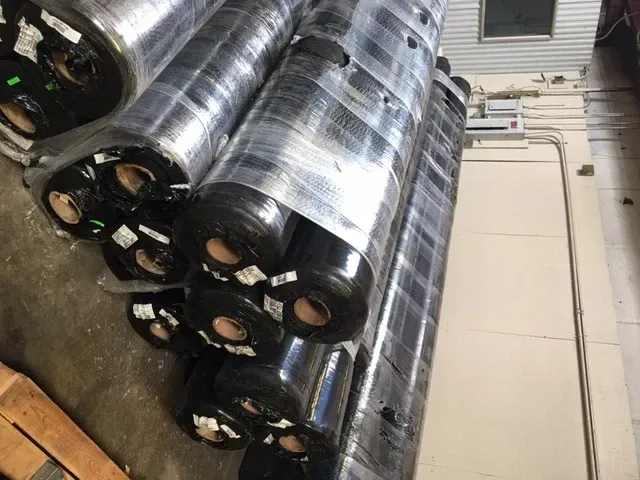
Projects requiring heavier reinforcement use woven geotextiles with higher tensile strength, while drainage-focused applications specify nonwoven fabrics with greater permeability. Geotextiles are sourced from established manufacturers whose products provide consistent performance across varying site conditions, and they're available via pre-order with delivery coordinated to match excavation and base placement schedules.
Answers to Frequent Service Questions
Selecting the right geotextile involves understanding how soil conditions and project loads will test the fabric once it's buried and inaccessible.
What determines whether a project needs woven or nonwoven geotextile?
Woven fabrics provide higher tensile strength for applications where reinforcement matters, while nonwoven fabrics offer better drainage and filtration for projects focused on water management.
How does geotextile prevent the base layer from sinking into soft subgrade?
The fabric distributes point loads across a wider area and physically blocks soil particles from migrating upward into voids between aggregate, maintaining separation that keeps each layer functioning as designed.
When should geotextile be placed in drainage trenches?
It should line the trench before stone is placed so that the fabric wraps around the drainage aggregate, preventing soil intrusion from all sides while allowing water to enter the stone and reach the pipe.
What site conditions in Shreveport make geotextile installation especially important?
Clay subgrades that become plastic when saturated, along with seasonal wet-dry cycles, create conditions where subgrade pumping and base contamination occur rapidly without a separation layer in place.
Why do some geotextiles fail prematurely while others last for decades?
Installation damage from sharp aggregate, inadequate overlap at seams, or selecting a fabric with pore sizes too large for the soil type all lead to early failure, while proper specification and careful installation result in performance that outlasts the structure above.
Southern Geo Supply helps match geotextile specifications to the soil gradation, water flow conditions, and load requirements your project will face over its service life. Reach out with your project details and subgrade conditions to receive material recommendations and coordinated delivery options that fit your construction timeline.